Museum Selection UK
Service
Product
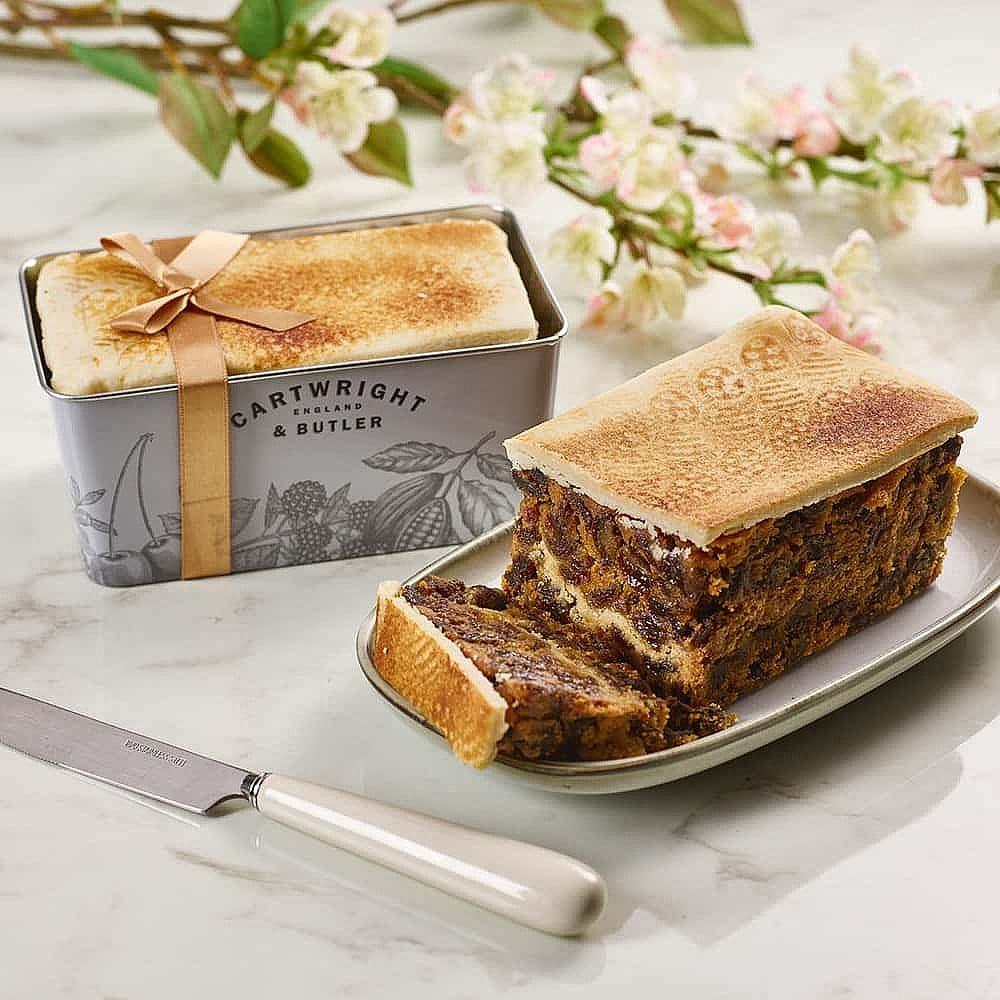
Made to a traditional recipe in Great Britain, this Easter fruit cake is smartly presented in a keepsake tin. Originating in the Middle Ages, simnel cake was traditionally made for the fourth Sunday of Lent, when the 40‑day fast would be relaxed. On this day, servant girls were customarily given leave to return home and visit their mothers, taking with them a simnel cake they had baked themselves as a gift. The cake is distinguished by layers of almond paste or marzipan, and is traditionally decorated with eleven marzipan balls on the top. Conventionally, these symbolise the twelve apostles minus Judas Iscariot, although some versions use twelve balls to represent Jesus and the eleven apostles. In modern times, simnel cake is most commonly enjoyed on Easter Day, making it a delightful treat for sharing among friends and family. Click here to read the full list of ingredients & allergens.

Feefo Trusted Service Awards
Our independent awards recognise the top brands for customer service. Winners are decided based on the ratings they receive from their customers.